Alessandro Bastoni's Leadership and Pio Esposito's Rise: Key Takeaways from Italy's International Window
Following a period of significant upheaval within the Italian national team—marked by the decision not to appoint Andrea Pirlo as head coach, Paolo Maldini's resignation as sporting director after his candidate wasn't chosen, and Roberto Mancini's return after missing the 2022 World Cup despite winning Euro 2020 just six months prior—anticipation for the season's first international window was high.
Questions lingered about Italy's ability to rebuild its structure and identity for Euro 2028, especially after failing to qualify for three consecutive World Cups (2022, 2024, and most recently 2026). Despite an initial 2-0 loss to Belgium on home soil in the Nations League, Mancini's team responded, drawing 1-1 with France in Paris and securing a dominant 7-2 aggregate victory over Türkiye across two matches.
This international window, marking Mancini's return, offered several notable observations across the four games.
Mancini Embraces Youth Experimentation
Roberto Mancini sent a clear message: no starting position is guaranteed. He included nine new players in the squad, signaling a desire to test emerging talent and identify future prospects for the Azzurri.
Many young players seized their chances, delivering impressive performances. In defense, Atalanta's Giorgio Scalvini proved a solid presence alongside Alessandro Bastoni, adding quality and stability. Brentford's full-back Michael Kayode impressed with his speed and technical skill, scoring a superb goal on his debut.
In midfield, Sporting's Issa Doumbia displayed maturity with his strong physical play and accurate passing. Cagliari's Alessandro Romano remained composed, contributing an assist in the final match before the break.
Upfront, Pio Esposito delivered, scoring twice and providing an assist across the four games, becoming a key figure in the attack.
By shifting to a 4-3-3 formation and integrating young talent, Mancini signaled that the national team is prioritizing its future. Established players like Nicolo Barella and Federico Dimarco could face increased competition if they don't maintain consistent performance levels.
Alessandro Bastoni Emerges as a Leader
After a difficult period, marked by controversial red cards—including one in the Derby D'Italia and another in a crucial World Cup qualifier—and subsequent media scrutiny, Inter defender Alessandro Bastoni experienced a resurgence. The challenges had evidently impacted his on-field performance.
Bastoni demonstrated resilience, commanding the defense effectively. He scored two goals during the international window, one of which secured a draw against France. His consistent performances highlight his leadership, positioning him as a vital player for Mancini's project aimed at qualifying for Euro 2028.
The Remarkable Rise of Pio Esposito
Though he debuted for the Azzurri less than a year ago, Pio Esposito has consistently earned his place. With three goal contributions across four games, his physicality and clinical finishing have been significant.
The development of this Inter academy graduate suggests a future star may be emerging. At 21 years old, he has matched the legendary Giuseppe Meazza's record of 7 goals in 13 games for the club.
Esposito's 7 goals in 13 appearances place him ahead of Italian legends like Roberto Baggio (5 goals) and Alessandro Del Piero (6 goals) at the same stage of their careers, indicating exceptional early promise.
Fresh materials — Football News
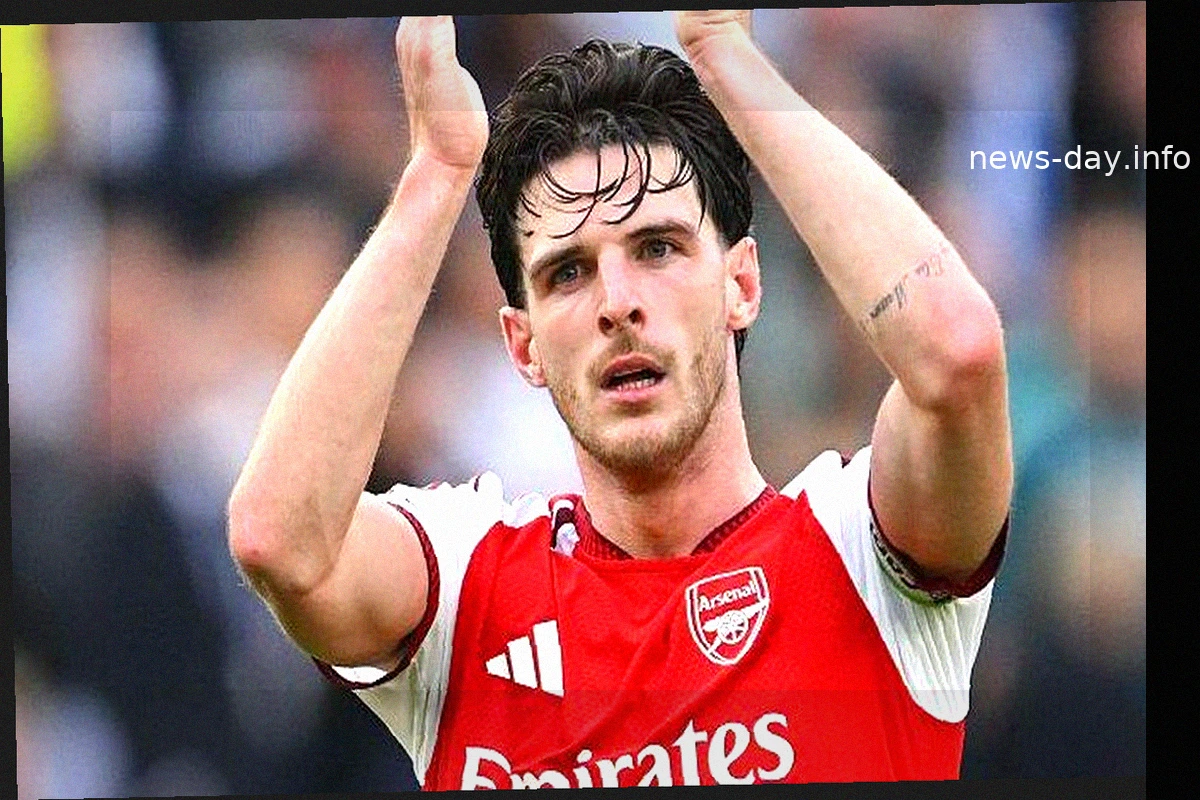
Declan Rice Close to New Arsenal Deal
Declan Rice is reportedly nearing an agreement on a new, extended contract with Arsenal. Sources indicate the deal is in its advanced stages. Since his £105 million transfer from West Ham in July 2023, the England midfielder has become an integral part of the Gunners' squad

Real Madrid Legend Reposts Video Criticizing Cristiano Ronaldo Amidst Messi Debate
Iker Casillas, a legendary figure for Real Madrid, has stirred significant discussion among fans of the club with his recent social media activity. The ongoing debate comparing Lionel Messi and Cristiano Ronaldo has resurfaced strongly this week across the football world. Just days a
How the World Changes in a Year: Chivu and Diouf on Inter's Garden of Change
Twelve months can completely turn around a situation many had already written off, without sensing the possibility of gradual change. These twelve months were enough to prove, first to themselves and then to the outside world, that the trust placed in them was well-founded, not just a matter o
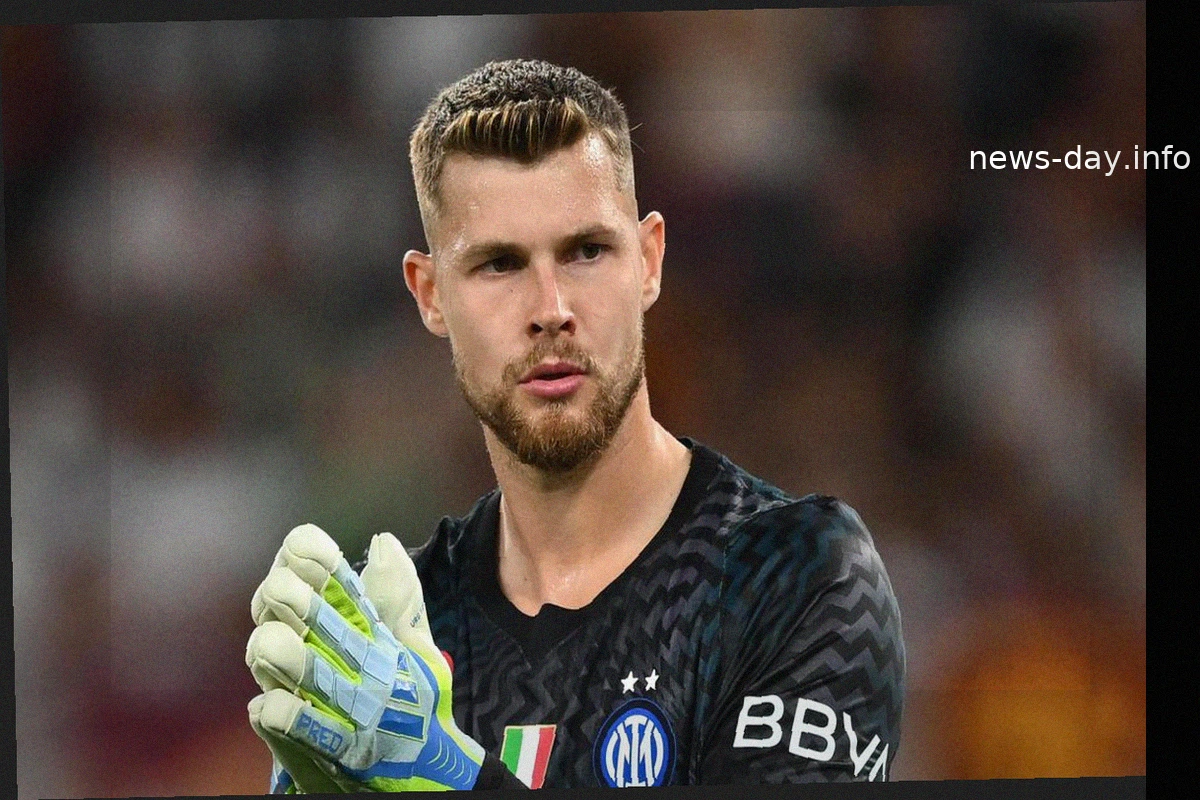
Final Nations League Matches: Akanji Wins, Sucic Loses. No Minutes for Pepo
The Nations League evening matches, followed by Lautaro Martinez's late-night game with Argentina, officially conclude this extended international break. This consolidated break, merging September and October, saw players, especially Europeans, compete in four matches within just over
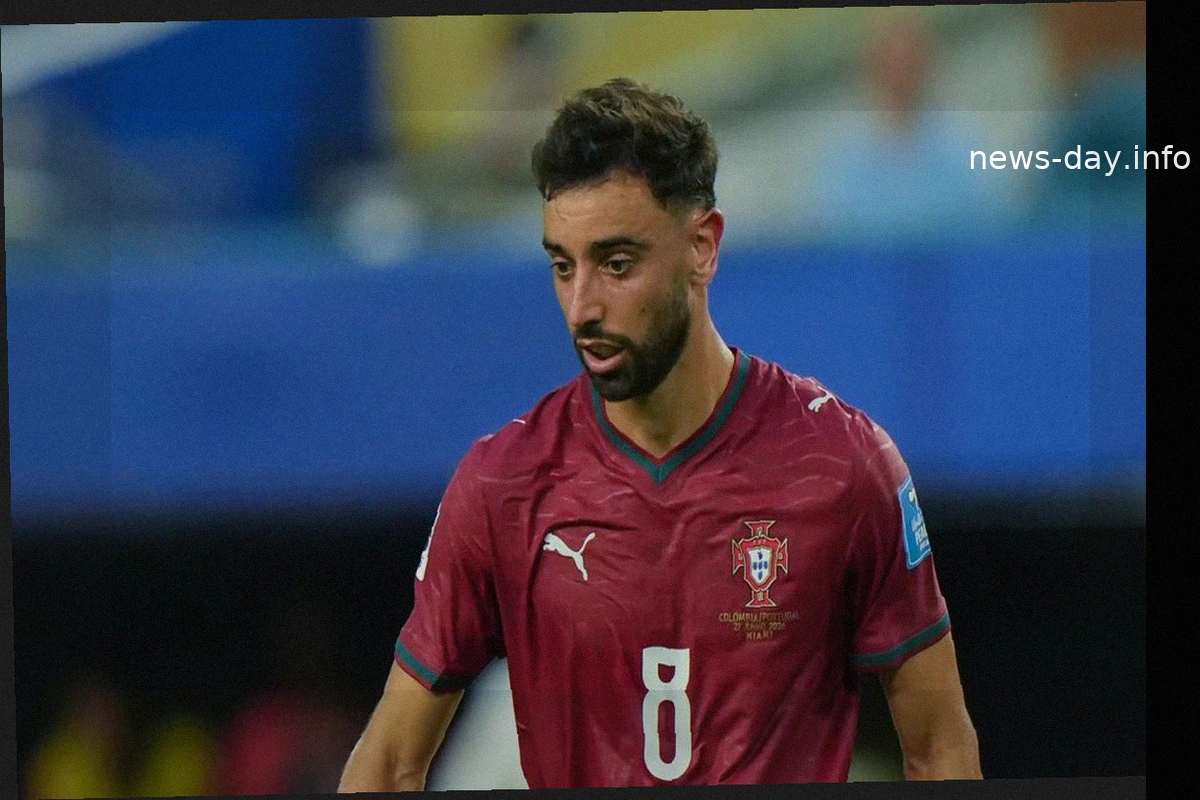
Atletico Madrid and Juventus Target Bruno Fernandes
Bruno Fernandes is once again linked with Juventus, but competition for the Portuguese midfielder could be significant. Atletico Madrid has also reportedly identified Manchester United's captain as a potential major target for summer 2027. Diego Simeone is said to greatly admire the playe
Post-Zidane France Squad: Mbappé's Role, Newcomers Shine, Dembélé's Form Questioned
Following Zinédine Zidane's initial training camp with the French national team, several questions remain. Our consultants weighed in to provide clarity. Was the camp a success? Objectively, yes. France secured three wins and a draw in four matches, topping their group