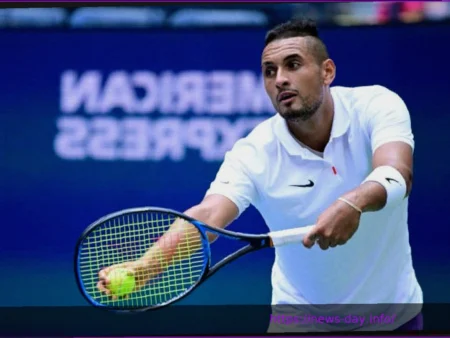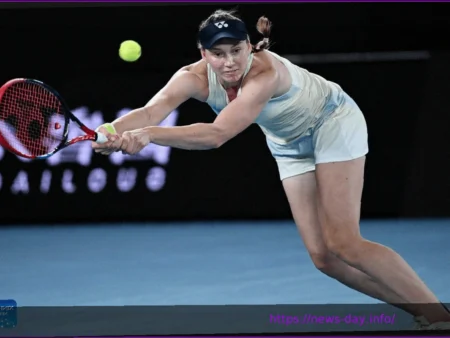

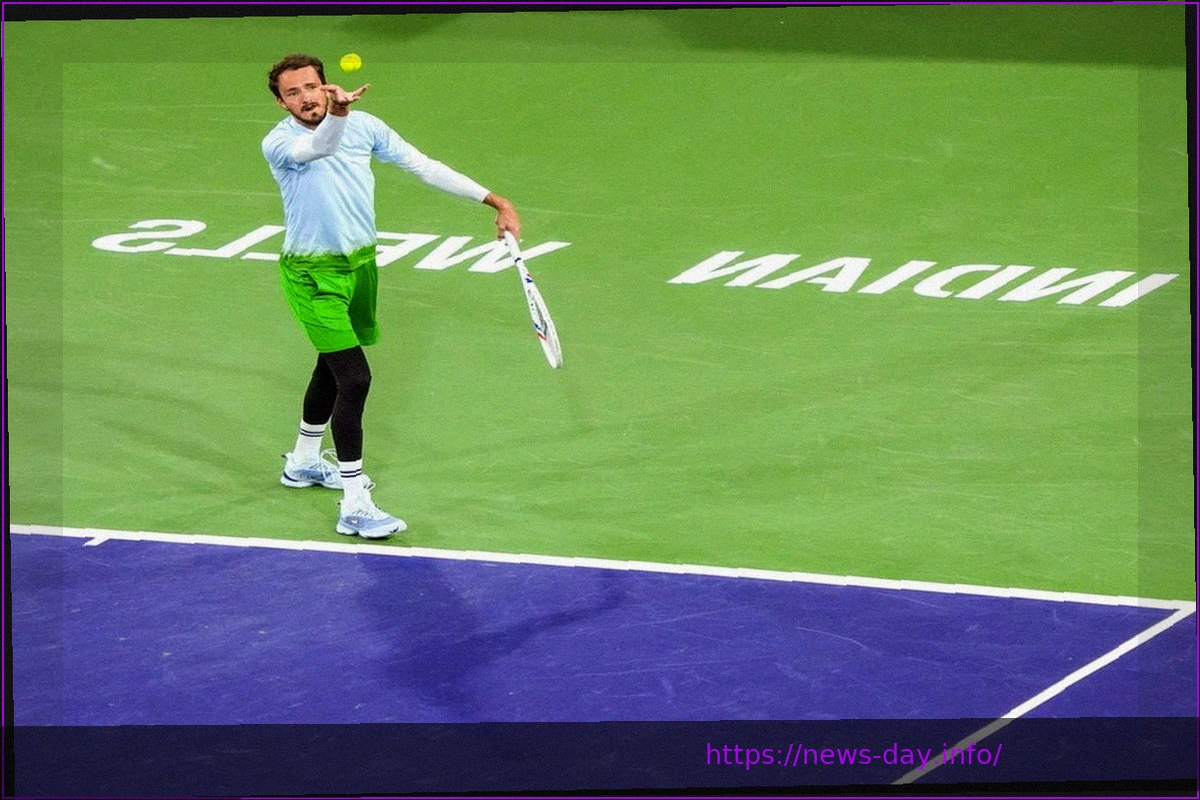
As the initial rounds unfold, it’s the perfect moment to delve into what truly defines the Indian Wells tournament. For a vast segment of tennis enthusiasts globally, March truly commences only when the action begins in the California desert. This is a fixture players eagerly mark on their calendars well ahead of time, spectators meticulously arrange journeys for, and which possesses an emotional weight and ambiance far exceeding its formal classification. People return year after year for compelling reasons, and the abundant sunshine is merely one factor.
Indian Wells: A Legacy Evolving
Earning the ‘Fifth Major’ Moniker
This unofficial designation wasn’t the result of marketing campaigns; it was genuinely earned. Nestled within an affluent region of California, Indian Wells benefits from its proximity to Los Angeles, allowing a natural, unforced elegance to permeate the atmosphere. The venues are pristine, operations proceed seamlessly, and the weather consistently offers ideal conditions each year: clear blue skies, arid warmth, and courts that shimmer beneath the desert sun as if freshly installed. Athletes frequently speak about Indian Wells with a reverence reserved for few other events. They often praise the courts as some of the finest they encounter annually, alongside outstanding practice amenities. The entire arrangement subtly conveys that the organizers possess a deep understanding of player requirements. When considering the substantial prize money and ranking points available, describing it as the ‘fifth Grand Slam’ feels less like hyperbole and more like an accurate reflection of its true standing.
The Unmistakable Deliberation of the Courts
Yet, this is where the narrative becomes intricate. Despite its refined appearance and esteemed reputation, Indian Wells can also be an incredibly frustrating environment for tennis spectators. The courts are famously, and historically, slow, though a slight acceleration has been observed recently. On these surfaces, balls that would typically dart swiftly on quicker courts instead ‘sit up’ enticingly, causing rallies to stretch considerably beyond initial expectations, transforming what might seem like 90-minute contests into grueling three-hour marathons. This inherent slowness often reveals the vulnerabilities of players who primarily depend on sheer pace, and the resulting exasperation has sparked some of the event’s most amusing, non-match-related highlights. It’s consistently delightful to witness a formidable player vehemently and repeatedly dispute with a tennis ball refusing to conform to its expected trajectory.
On a more positive note, the slow pace compels players to master precise shot-making, as there’s no simpler route to conclude a point. Relying solely on a powerful serve and a solid groundstroke won’t suffice against top-tier opponents. Competitors must penetrate the court, meticulously build points, and earn every outcome through sheer effort. Such a demand for excellence typically leads to matches rich in tactical layers, dramatic shifts in momentum, and a captivating unpredictability that sustains interest in a set long after the scoreboard might suggest a clear winner.
When Norrie and Basilashvili Met in a Final
An event that genuinely champions the unexpected is bound to, at times, deliver the truly astonishing, and Indian Wells offers a perfect testament to this ethos. Reviewing the legendary finals throughout its history reveals a roster of greats like Federer, Sampras, Djokovic, and Nadal – names perfectly fitting for such a grand stage. Then, you encounter the 2021 final featuring Cameron Norrie and Nikoloz Basilashvili. While both are undoubtedly talented players, neither was widely expected to reach an Indian Wells final. Admittedly, it was the COVID-impacted edition, relocated from its traditional March timing to October, and played before a smaller audience under generally peculiar conditions. Nevertheless, the names etched on the scoreboard remained Cameron Norrie and Nikoloz Basilashvili, a fact that no amount of background explanation can fully diminish its surprise factor. It consistently takes one by surprise. This isn’t a critique; rather, it underscores the event’s very essence.
Indian Wells has a rich tradition of generating outcomes that appear illogical until, in hindsight, they make perfect sense. The deliberately slow courts play a crucial role here, leveling some advantages while magnifying others, thereby opening up the draw in ways quicker surfaces simply cannot. A captivating form of unpredictability has always been an inherent aspect of this tournament.
The Formula for Success
Beyond its storied past, picturesque setting, and immaculate infrastructure, Indian Wells fundamentally offers a week of profound unpredictability, all presented within the grandeur of a major tournament. The very courts that challenge and vex players are precisely what generate enthralling matches for spectators. The locale’s inherent allure draws top-tier talent, elevating the event’s prestige. Furthermore, the slow playing conditions, while forcing power hitters to adapt, simultaneously allow tactical players to excel and unexpected upsets to blossom.
This is an event that uniquely balances being both the most esteemed non-Grand Slam on the tennis calendar and the one most prone to delivering a final nobody could have predicted. Such a paradoxical blend arguably shouldn’t be as effective as it is. Yet, nestled in the California desert each March, this formula consistently proves to be a spectacular success.