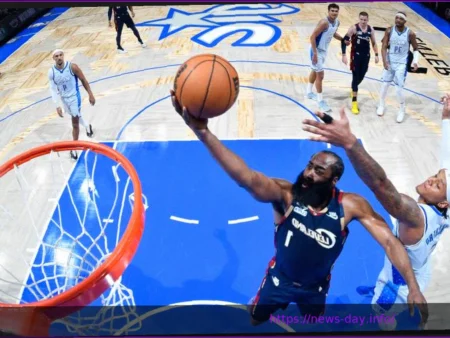

Imagine two teams renowned for their late-game heroics, not just good or surprising, but genuine clutch performers. The Los Angeles Lakers and the Detroit Pistons have consistently demonstrated an extraordinary ability to close out games, characterized by decisive, high-pressure plays rather than early-game flurries. These are the moments when every second ticks louder, the crowd holds its breath, and each move carries immense significance, solidifying their reputations as relentless finishers.
Heading into Monday night’s matchup in Detroit, the Lakers boasted an NBA-leading 22-6 record in clutch situations, an astounding .786 winning percentage unmatched in over two decades. Their opponents, the Pistons, presented a similarly formidable challenge, with a league-high 26 clutch victories and a .676 success rate in critical moments. Deeper statistics further underscored their late-game dominance: the Lakers led in both clutch offensive and net ratings, while Detroit held strong at 7th and 5th in those categories, respectively. Their records in close contests were equally impressive: Los Angeles stood at 24-6 in games decided by fewer than ten points, with Detroit slightly ahead at 27-7. In contests determined by three points or less, the Lakers were 8-2, and the Pistons 9-5.
Therefore, when these two formidable squads met at Little Caesars Arena, the outcome was predictable in its unpredictability. No one expected a lopsided affair or a decision by halftime, despite Detroit’s initial strong performance. It was destined to be a nail-biting contest, ultimately hinging on a single, pivotal possession. And indeed, that’s precisely what transpired.
The Lakers, missing key players, appeared disoriented in the first half, trailing by 16 points and playing sluggishly. Yet, teams adept at clutch play rarely falter under pressure; they concede ground but refuse to collapse. Head coach JJ Redick noted, “We’ve been able to bend and not break, and tonight was another example of that. We’re a good basketball team and we have to continue to play together.” True to form, they mounted a comeback, closing the gap and even snatching a one-point lead with just over 30 seconds remaining. Luka Dončić, a player synonymous with the Lakers’ late-game dominance throughout the season, was central to their efforts.
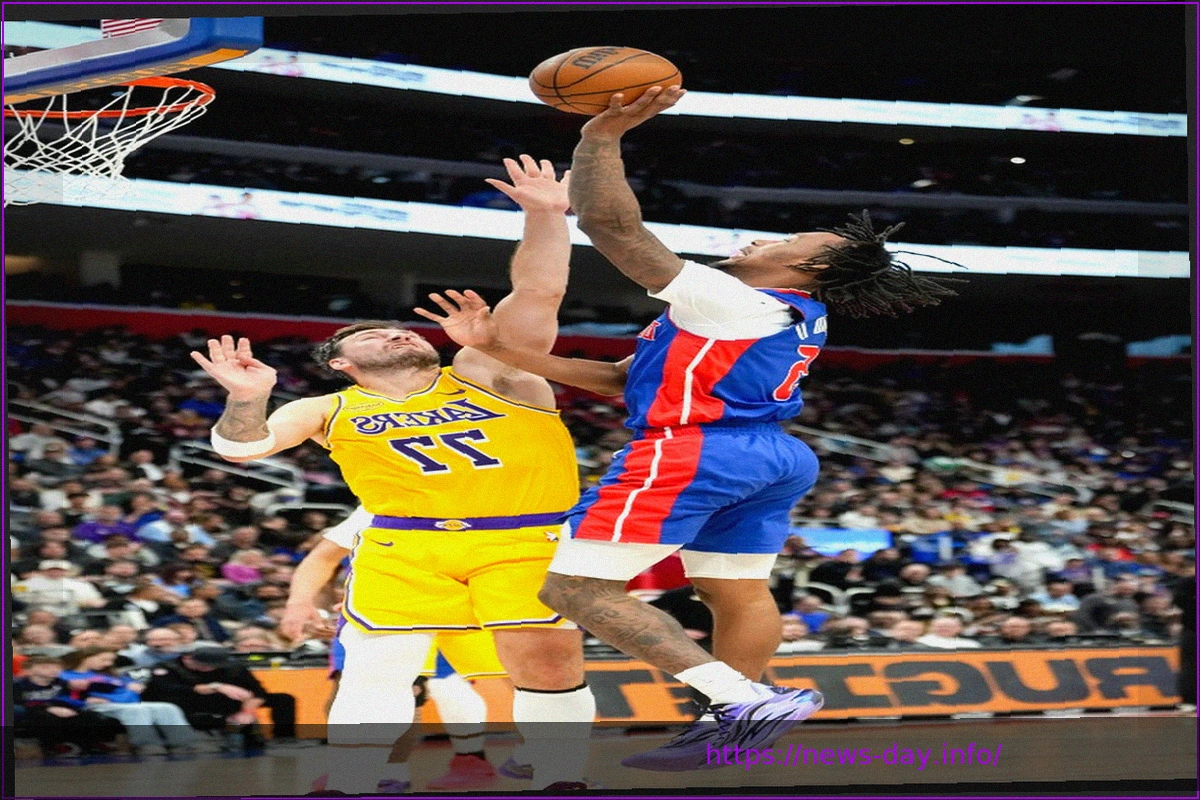
Detroit, however, remained unfazed. Playing without their All-NBA catalyst, Cade Cunningham, the Pistons found an unlikely hero in Daniss Jenkins. Jenkins delivered a career-defining performance, scoring 30 points and sinking four crucial free throws in the closing moments with unwavering composure. The tension in the arena became palpable, as the game’s fate hung by a thread.
Opposing him was Luka Dončić, the undisputed architect of the Lakers’ late-game success all season. Fresh off being named Western Conference Player of the Week, Dončić had an astounding forty-one 30-point games this season, including ten consecutive, and was the first player to surpass 2,000 total points. A scoring phenomenon who had effortlessly amassed 100 points over his previous two outings, he was expected to author the climax. With 12 seconds left, down by one, the ball was in Dončić’s hands. He launched a 14-foot pull-up from the left wing—a shot he typically converts with ease in any setting. But this time, it missed.
Detroit secured the rebound, and Jenkins calmly sank two free throws, extending their lead to 113-110. The atmosphere transformed from stifling tension to fervent anticipation. Austin Reaves candidly stated, “It was good basketball and they made one more shot.” The Lakers had one final opportunity, one last possession for the league’s preeminent closer.
Once more, the ball found Dončić, who spun, faded, and launched a desperate three-pointer at the buzzer—a shot that ultimately fell short. With that, the Lakers’ impressive nine-game winning streak dissolved into the Detroit night.
The harsh reality for ‘clutch’ teams is that consistent late-game performance doesn’t guarantee victory every time. It means frequently operating at the brink, where eventually, even the most reliable players can falter. On this occasion, it was the Pistons who demonstrated superior composure, remarkably doing so without their star player. LeBron James commented, “They’re the No. 1 team in the east, even without their All-NBA player being out. We gave ourselves a chance, and that’s all you can ask for.”
Perhaps. However, for a Lakers squad whose very identity is forged in closing out games, merely having “a chance” feels insufficient. When you’re recognized as the NBA’s premier clutch team, expectations transcend mere opportunities; they demand decisive outcomes. That Monday evening in Detroit, facing an equally resilient opponent, the Lakers were confronted with a stark truth: sometimes, the other team is simply more clutch.