
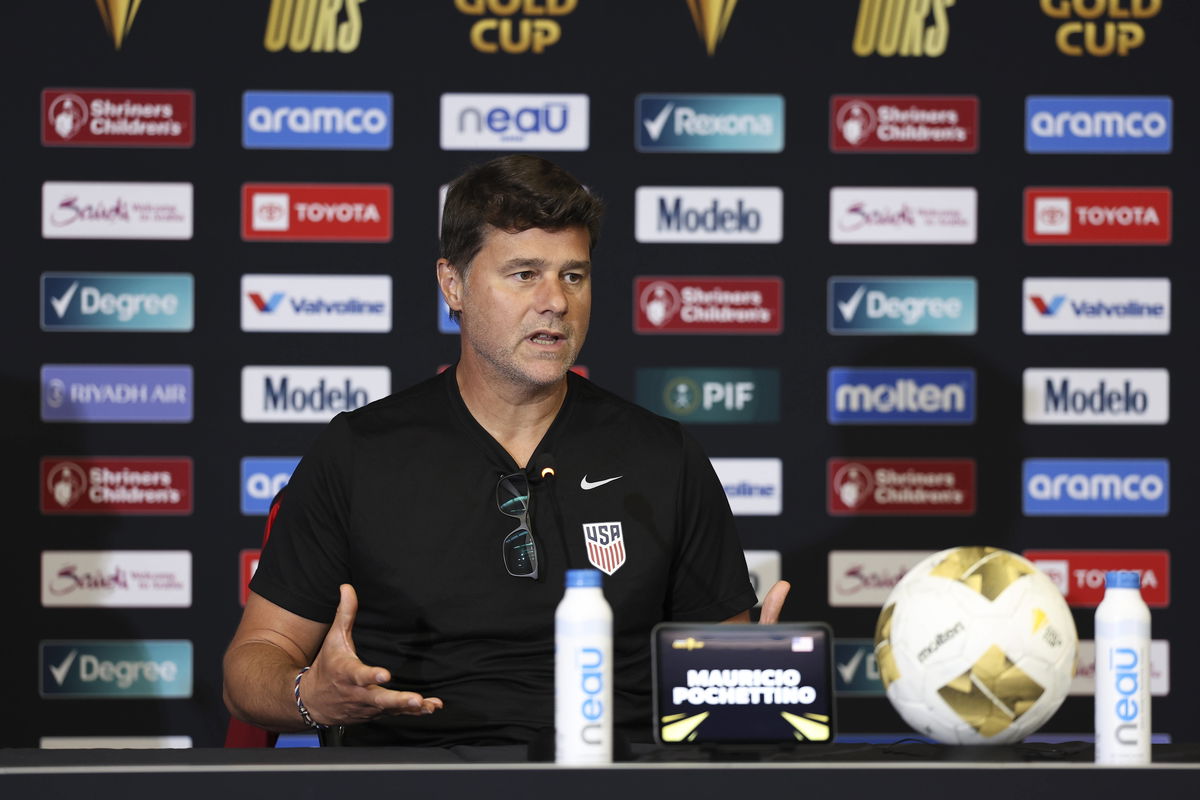
Entering the Concacaf Gold Cup final on Sunday, the mood surrounding the U.S. Men`s National Team was arguably the most optimistic it had been in over a year. Under coach Mauricio Pochettino, a squad featuring many new faces seemed to benefit significantly from five weeks and eight matches of preparation, with several players making a name for themselves. However, the 2-1 defeat to regional rival Mexico in the final served as a reality check, perhaps indicating that the earlier optimism might have been a touch premature.
Pochettino`s less experienced side did feature notable performers at Houston`s NRG Stadium. Malik Tillman and Diego Luna capitalized on their opportunities throughout the previous month, while Chris Richards continued his strong form for both club and country. Sebastian Berhalter and Matt Freese even entered the discussion for next year`s World Cup roster, which was a key personal goal for everyone included in the Gold Cup squad. They started the final brightly, too – Berhalter`s well-delivered set piece allowed Richards to open the scoring just four minutes in, mirroring the goal that secured a group stage win against Saudi Arabia.
Yet, the loss to Mexico offered a stark reminder that the progress made over the past month was merely a foundational step on the desired upward trajectory towards the World Cup. The team`s most convincing performances came against opponents where they were clear favorites – a necessary stage for a team that had struggled against a range of opponents in the preceding year. Ascending to the next level requires challenging top-tier teams like Mexico, offering a final chance for silverware before the World Cup; despite the early advantage, that elevated performance level never materialized in the final.
The USMNT found themselves second-best in nearly all aspects during the Gold Cup final, with Mexico seizing control early despite the quick concession. The U.S. lacked answers for Mexico`s attacking approach, evident in El Tri`s significant advantages in shots (16 to six) and expected goals (1.26 to 0.64). Pochettino`s team appeared both overly cautious, unusual for a coach known in Europe for leading entertaining, offense-oriented sides, and seemingly unable to react effectively, suggesting that the collective inexperienced roster was not adequately prepared for a challenge of this magnitude. Worryingly, these patterns were not isolated to Sunday`s match for the USMNT.
A vulnerable defense had jeopardized the USMNT`s path to the final, almost costing them in the 2-1 semifinal win against surprising opponents Guatemala. Simultaneously, an inability to fully control the midfield was a consistent feature of their mixed group stage performances. The concerning aspect on Sunday was that established players bore as much responsibility for the outcome as the newcomers – center backs Richards and Tim Ream remain likely starters for the World Cup, while Tyler Adams` passing against Mexico left room for improvement. Meanwhile, Tillman and Luna weren`t the decisive forces they had been earlier in the Gold Cup run.
However, Sunday`s result doesn`t erase most of the positive developments from the summer. Pochettino`s initiative to explore a wider player pool proved fruitful – Tillman and Luna have made compelling cases for inclusion in the starting lineup, while Berhalter`s set-piece prowess and Freese`s penalty saves position them in contention for next year`s World Cup roster. The fact that a group of fringe players didn`t win the Gold Cup is hardly shocking, especially considering the pre-tournament pessimism surrounding the USMNT, which made reaching the final itself far from guaranteed. While lifting the trophy was the primary goal, Pochettino gaining a clearer understanding of his available options was a close second, and in that regard, key objectives were certainly met this summer.
For the first time since the USMNT`s exit in the Round of 16 at the 2022 World Cup, valuable new insights were gained about this team and their capabilities, setting the stage for a fascinating final year of competition for roster spots. Observing how the standout Gold Cup performers integrate with mainstays like Christian Pulisic and Weston McKennie later this year will provide a more accurate assessment of the U.S.`s potential at the World Cup than this summer`s tournament could. Upcoming friendlies against South Korea and Japan in September offer a strong starting point for what should ideally be a challenging schedule leading up to the World Cup, providing a genuine look at the USMNT`s true abilities.
The USMNT managed a form of redemption arc in the Gold Cup, albeit a complicated one. While pessimism is no longer the dominant feeling, the responsibility still lies with Pochettino and his staff to find the right tactical balance. The Argentine hasn`t always shown an immediate ability to resolve in-game issues or introduce tempo-altering substitutions when needed. However, there`s a strong case to be made that expanding the player pool was essential for Pochettino to even begin formulating those answers. While the USMNT exiting the Gold Cup with several emerging talents might not definitively confirm they can meet high expectations next year, it significantly enhances this group`s potential to reach their full capabilities – even if tempering expectations might still be prudent.