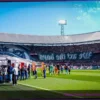

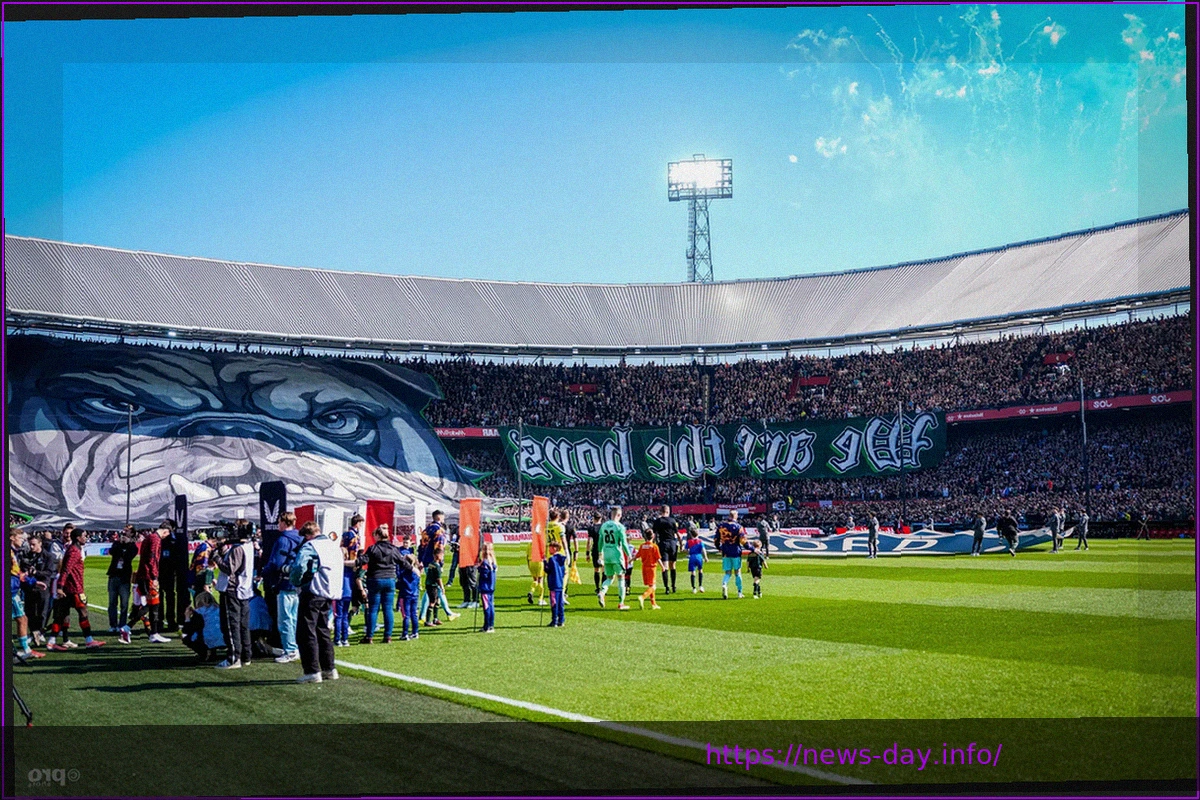
Feyenoord’s ambitious plans to take full control of its iconic home, De Kuip stadium, are currently facing delays. Despite an earlier principle agreement reached with Stadion Feijenoord and its shareholders, a definitive accord has yet to be finalized, and a date for a decisive meeting remains elusive.
The Rotterdam club is eager to acquire the stadium to gain direct control over investments, particularly for much-needed maintenance. De Kuip is grappling with a backlog of upkeep, costs that the current stadium management company struggles to bear independently. Feyenoord is prepared to make significant financial commitments, but only if it secures full governance over the venue.
The primary sticking point lies with holders of older shares, issued during the stadium’s early days. These shareholders possess not only rights to specific seating but also considerable influence over key decisions. Feyenoord aims to reshape this dynamic by substantially increasing its own stake in the stadium. While a foundational agreement is reportedly in place, its practical implementation is proving challenging. Financial arrangements and regulations concerning these legacy seating rights are particularly contributing to the holdup. Furthermore, clear conditions for the potential buyout of existing shareholders must still be ironed out.
Although Feyenoord, Stadion Feijenoord, and the Association of Stadion Feijenoord Shareholders have reached a broad agreement on the main principles, the finer details still need to be meticulously documented. Only after all specifics are formally laid out can a general meeting of shareholders be scheduled to officially approve and formalize the stadium takeover.