

Predicting game outcomes has long been a core element of sports fandom, fueling discussions among fans, coaches, and analysts alike. Traditionally, these predictions relied heavily on intuition, experience, and expert opinions. Coaches meticulously reviewed game footage, journalists closely followed team dynamics, and supporters often trusted their gut feelings.
However, a significant shift has occurred in recent times: data and analytical insights are increasingly shaping sports discourse. Football, in particular, pioneered this transformation. Today, it’s common for fans to delve into statistics, trends, and detailed match previews rather than relying solely on conjecture.
This evolution prompts an intriguing question for other sports, such as ice hockey: can similar data-driven approaches enhance our understanding and analysis of the game on the ice?
Why Numbers are Pivotal in Modern Sports
Every professional sporting event generates a wealth of data. In football, for instance, analysts meticulously record metrics like shots on target, successful passes, possession percentages, and defensive actions. When aggregated over hundreds or even thousands of matches, these individual data points coalesce into discernible patterns.
Such patterns might reveal that certain teams consistently excel on their home turf, or that others, while prolific scorers, are also prone to defensive lapses. Some teams may struggle against specific tactical approaches. While these trends might be imperceptible in isolation, analyzing a vast dataset unveils the broader strategic landscape, paving the way for advanced prediction models.
Focusing on Trends Over Individual Results
A fundamental principle of statistical analysis in sports is to avoid drawing conclusions from a single game. A team might deliver an exceptional performance but still lose due to missed opportunities or an opponent’s outstanding goaltending. Focusing solely on the final score could misleadingly suggest a poor showing.
However, by examining detailed match analytics, experts can uncover the nuances of a team’s play. Over a season, these deeper insights distinguish genuinely strong teams from those that might be benefiting from a streak of good fortune. This deeper, data-driven match analysis has consequently captivated a growing number of football enthusiasts, shifting focus beyond mere results.
Leveraging Data for Match Prediction
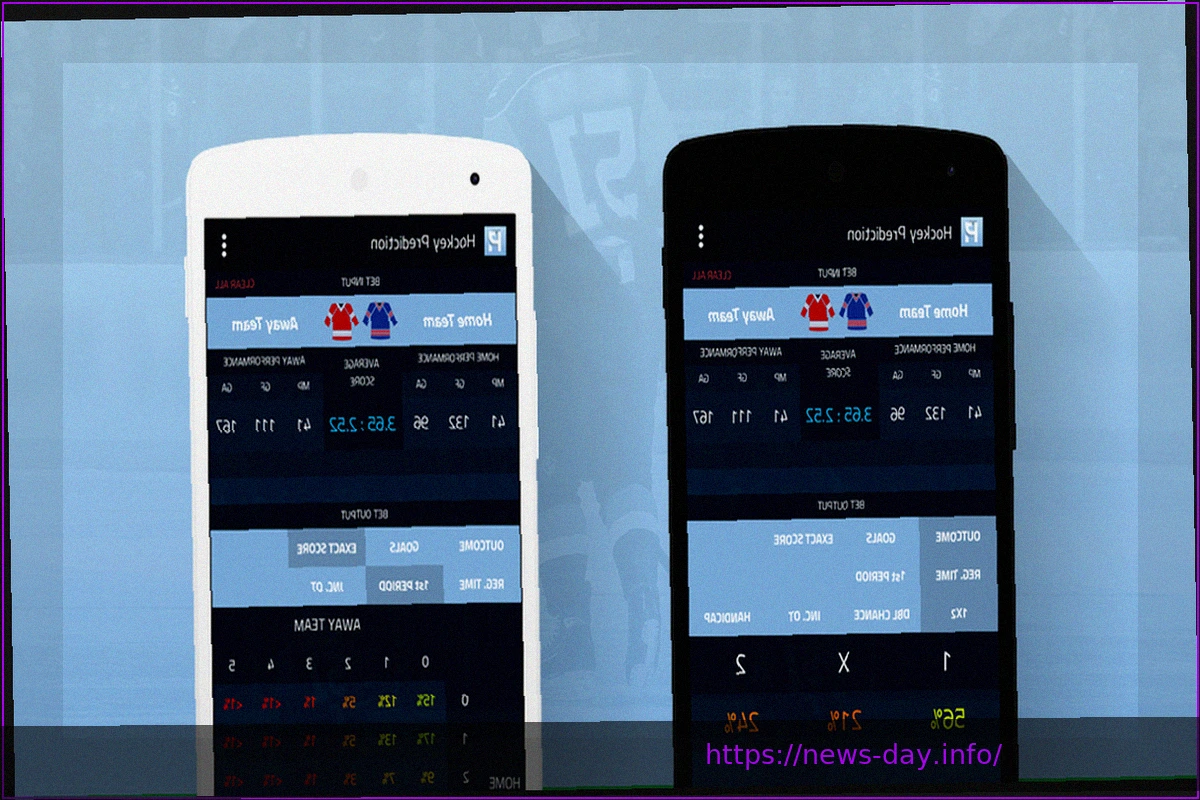
In football, numerous platforms now aggregate extensive match data to analyze upcoming fixtures. These platforms assess teams based on various factors, including current form, historical scoring records, defensive capabilities, and more. This comprehensive comparison allows them to generate informed estimates about potential match outcomes.
While sports, especially football, are renowned for their unpredictability, data analysis doesn’t claim to offer perfect foresight. Instead, by identifying underlying patterns, it provides a clearer understanding of which scenarios are statistically more probable. For fans keen on pre-game research, such detailed information enriches their appreciation and offers valuable context before the first whistle.
Could This Approach Work in Ice Hockey?
Although ice hockey and football appear distinct on the surface, they share surprising operational similarities. Both sports feature continuous motion, rapid transitions, and scoring opportunities that arise from cohesive teamwork. Crucially, like football, hockey generates an abundance of match data during every game.
Statistics such as shots on goal, blocked shots, face-off win percentages, power-play efficiency, and many others are routinely captured. This rich dataset means hockey inherently possesses the fundamental elements required for sophisticated analytical exploration.
Hockey Teams Already Harness Statistics
Modern professional hockey organizations have moved beyond relying solely on instinct. A growing number of teams employ dedicated analysts who meticulously examine historical game data. They investigate patterns like opponent shot locations, power-play effectiveness, and vulnerabilities in defensive formations.
While video analysis remains a cornerstone of preparation, statistical data often uncovers trends that are not immediately apparent during live game action. For instance, an analysis might reveal that a particular opponent falters under high-tempo pressure, or that they heavily depend on a single offensive line. Such granular insights are invaluable, directly informing coaching strategies and pre-game preparations.
Enhanced Preparation Before the Puck Drops
Consider a team preparing to face an upcoming rival. Traditionally, coaching staff would primarily review recent game footage, concentrating on key players. However, integrating statistical trends allows for a more profound level of preparation.
Data might reveal, for example, that the opposing team is more susceptible to conceding chances in the waning minutes of a period, or that their power play is most potent when the puck is rapidly cycled across the ice. These specific details can directly influence pre-game training sessions, enabling players to practice targeted defensive strategies or exploit identified weaknesses in the opponent’s game.
Why Fans Are Showing Increased Interest
The utility of sports statistics extends beyond professional teams; fans too are increasingly drawn to deeper analytical insights. Many supporters find pre-game previews valuable, as they offer enhanced context and a better understanding of potential match dynamics.
Rather than merely tracking the score, engaged fans begin to recognize patterns unfolding during the game itself: Which team is dominating possession? Which offensive lines are creating the most significant scoring threats? Are defensive strategies allowing too many high-danger shots? As fans become attuned to these intricate details, their engagement and enjoyment of the game significantly intensify.
Predictions Are Guides, Not Guarantees
Despite the growing sophistication of data analysis, the inherently unpredictable nature of sports endures. A swift opening goal, a crucial penalty, or a stellar performance from a goaltender can dramatically alter the course of any game. This very unpredictability is a fundamental component of what makes sports so captivating.
Therefore, prediction models are not designed to diminish this excitement. Their purpose is to provide a more informed perspective on probable scenarios before a match, serving as a valuable guide rather than a definitive forecast.
A Global Trend in Sports Analytics
The integration of data analysis isn’t confined to football. Over the past decade, sports like basketball, baseball, and American football have also undergone similar transformations, with statistical insights now central to performance evaluation for teams.
Ice hockey is progressively following suit. A growing number of leagues are actively collecting comprehensive match data, and an increasing pool of analysts are dedicated to studying it. As this trend accelerates, it’s highly probable that advanced prediction tools will become a more prevalent feature in hockey commentary and analysis.
Implications for Hockey Coverage
Should predictive analytics gain greater prominence in hockey, fans can anticipate a diversification in match previews. Beyond conventional discussions of team form, insights could delve into more granular comparisons, such as detailed shot patterns, scoring probabilities, and defensive vulnerabilities.
This expanded data integration would also empower broadcasters and journalists to incorporate richer analytical content when discussing upcoming games, offering supporters a more nuanced and comprehensive understanding of team matchups.
The Evolving Landscape of Sports Analysis
The landscape of sports viewership is continuously evolving. Whereas once fans predominantly relied on live commentary and highlight reels, today they benefit from extensive statistics, tactical analyses, and in-depth match previews. As technological advancements continue, the accessibility and sophistication of these analytical tools are only set to increase.
For ice hockey, this trajectory suggests a future where fans and analysts engage with games using methods as detailed and data-rich as those currently employed in football. The thrilling speed and inherent unpredictability of the action on the ice will undoubtedly remain, but our capacity to understand the intricacies of the game will continue to deepen.